Not every department arrives on scene with a large crew.
Volunteer departments, rural departments and departments operating with changing staffing levels may need a smaller number of firefighters to accomplish a wide range of tasks.
That reality should influence apparatus design.
A fire truck can carry the right pump, water, hose and equipment and still create unnecessary work if firefighters have to climb, reach, circle the truck or move other equipment to access the tools they need.
For departments operating with smaller crews, thoughtful apparatus layout can help make each movement more efficient.
The goal is not to make firefighters do more than is safe or practical. It is to design the truck so the apparatus supports the crew instead of creating additional steps.
Start With the Crew That Actually Responds
Apparatus planning should reflect real staffing, not an ideal scenario.
How many firefighters typically respond on the first apparatus? Who operates the pump? Which tasks need to happen immediately after arrival? What equipment does the crew reach for most often? Does the department rely heavily on mutual aid?
Answering those questions can reveal where apparatus design has the greatest opportunity to improve workflow.
For example, a layout that works well for a six-person crew may create unnecessary movement for a department that commonly arrives with three or four firefighters.
Designing around actual response patterns gives the department a more practical starting point.
Put Frequently Used Equipment Within Easy Reach
Every extra step matters when a small crew is handling several priorities at once.
Frequently used equipment should be positioned where firefighters can access it quickly and safely.
That may mean placing commonly used tools in lower or mid-level compartments, using slide-out trays for heavier equipment or organizing compartments so crews do not need to unload one item to reach another.
The right solution depends on what the department carries and how that equipment is used.
During planning, departments can benefit from reviewing their current truck compartment by compartment and identifying which tools are used most often, which are difficult to access and which could be grouped more logically.
Group Equipment by Task
A compartment should not simply be a place where equipment fits. It should support a job.
Grouping related tools can reduce the amount of movement required on scene.
Extrication equipment can be located together. Water supply equipment can be organized around the areas where it will be deployed. Medical equipment can have a dedicated location. Frequently paired tools can be stored near one another.
Think about the sequence of a typical response.
If one firefighter is responsible for a particular task, can that firefighter access most of what is needed from one area of the truck?
Planning around tasks rather than filling empty compartment space can create a more intuitive apparatus for the entire crew.
Keep Heavy Equipment at Practical Working Heights
Heavy equipment stored too high or too deep inside a compartment can require additional firefighters to retrieve it safely.
When staffing is limited, accessibility becomes especially important.
Slide-out trays, pull-out tool boards, adjustable shelving, lower compartment locations and other storage solutions can make equipment easier to reach without unnecessary lifting or awkward movement.
This is where ergonomics and operational efficiency overlap.
A layout that reduces reaching, climbing and lifting can help firefighters access equipment more effectively while supporting safer movement around the apparatus.
Design Hose Deployment Around Staffing
Hose storage and deployment should also reflect the number of firefighters typically available.
Crosslays, speedlays, hosebeds, preconnected lines and discharge locations can all influence how quickly a crew can put a line into operation.
Departments should consider the hose loads they use most often, how lines are deployed at common incidents and how many firefighters are normally available to complete those tasks.
The best configuration is the one that supports the department’s own operating procedures and response environment.
Rather than choosing a hose arrangement because it is common on other trucks, departments should walk through how their crews will actually deploy and repack each line.
Make the Pump Operator’s Job Easier
On a smaller crew, the pump operator may have significant responsibility at the scene.
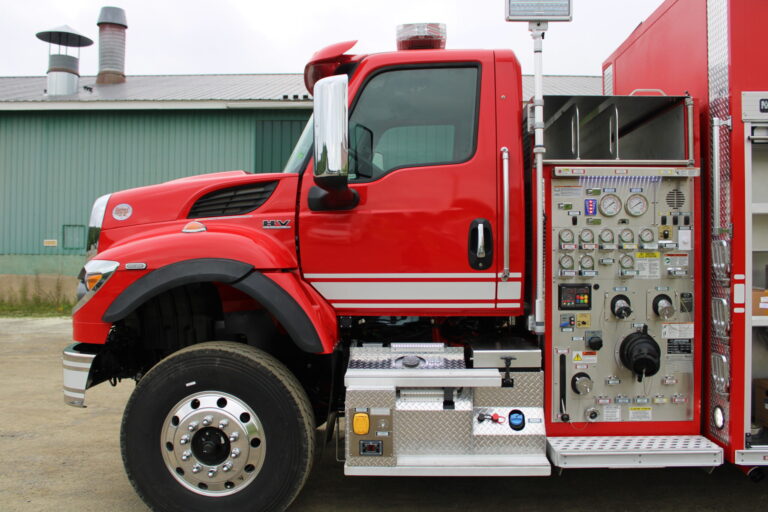
Pump panel design should support clear access to controls, gauges, inlets, discharges and other frequently used components.
Departments should consider visibility around the apparatus, access to hose connections, the location of controls and whether the operator can work without unnecessary movement.
The important part is understanding how the operator works during a typical call and designing around that workflow.
Use Scene Lighting Strategically
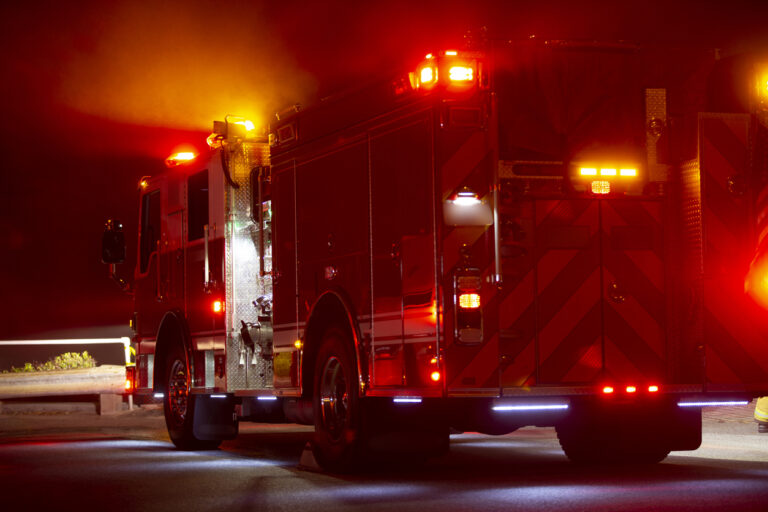
Good scene lighting supports the entire crew, but it can be particularly valuable when fewer firefighters are available to manage the scene.
Lighting can help illuminate work areas, compartments, the pump panel, the sides and rear of the apparatus and surrounding areas.
Departments should think about where firefighters commonly work after dark and where additional visibility could improve operations.
The goal is to create useful illumination around the areas where work actually happens rather than simply adding more lights.
Plan for Mutual Aid Without Depending on It for Every Task
Many smaller departments rely on mutual aid, and that partnership should be considered during apparatus planning.
At the same time, the first-arriving crew may need to begin operations before additional resources arrive.
The apparatus should help that crew access critical equipment and establish initial operations as efficiently as possible.
Departments can consider which tasks must be completed immediately, which can wait for additional personnel and how equipment should be arranged to support that sequence.
This type of planning can also help neighbouring departments work from the apparatus more intuitively when crews regularly respond together.
Walk Through the Truck Before It Exists
One of the most useful exercises during apparatus planning is to imagine a call from beginning to end.
Where does the first firefighter go after stepping out of the cab? Where is the hose? Where is the medical equipment? What does the pump operator need? Where are ladders stored? Can frequently used tools be reached from the ground? Does someone have to walk around the truck repeatedly to complete one task?
These questions can expose inefficiencies before the apparatus reaches production.
A custom truck gives departments the opportunity to make those decisions intentionally.
Storage, lighting, pump systems, body layouts and other components can all be planned around the department’s specific staffing, equipment, response area and water supply needs.
Build Around Your Department
A smaller crew does not necessarily need a smaller-capability apparatus. It needs an apparatus designed around the way that crew works.
Thoughtful equipment placement, accessible storage, practical hose deployment, effective lighting and a well-planned operator area can reduce unnecessary movement and help firefighters focus on the work that matters.
Every department has different staffing, equipment, call types, water sources and response conditions. Those realities should be part of the apparatus conversation from the beginning.
Planning a new apparatus? Talk with the Metalfab team about designing a truck around your department’s actual crew, equipment and day-to-day response needs.