Rural fire departments operate in environments that can place very different demands on their apparatus than those faced by departments serving more densely populated areas. Longer travel distances, limited access to hydrants, challenging terrain, smaller crews, and a wide variety of call types can all influence what a department needs from its fleet.
For departments planning a new apparatus, understanding those realities should come before deciding on individual features.
Start With the Response Area
A fire truck should be designed around where and how it will actually operate.
Rural departments may cover large geographic areas that include highways, farms, wooded areas, industrial properties, remote residences, and unpaved roads. Longer distances can affect everything from vehicle configuration to water capacity and equipment storage.
Departments should look closely at their call history and ask:
- What types of calls occur most frequently?
- How far does the apparatus typically travel?
- What road and terrain conditions will it encounter?
- How many firefighters normally respond?
- What equipment is needed most often?
- What resources are available from neighbouring departments?
Answering these questions helps establish what the apparatus needs to accomplish before specifications are developed.
Plan for Water Supply
Reliable water supply can be one of the biggest challenges for rural firefighting.
Without a municipal hydrant system nearby, departments may depend on tankers, portable tanks, dry hydrants, lakes, ponds, streams, and water shuttle operations.
That makes onboard water capacity an important consideration when specifying an apparatus.
Depending on the department’s needs, a larger water tank may allow the first-arriving crew to begin suppression operations while additional resources are still travelling to the scene. Tankers can also become an important part of maintaining a continuous water supply during longer incidents.
The right solution depends on the department’s response area, mutual-aid resources, available water sources, and overall fleet strategy.
Consider Access and Terrain
Not every emergency happens at the end of a paved road.
Rural departments may need to reach farms, wooded properties, remote structures, fields, or areas affected by snow and difficult terrain.
Vehicle size, wheelbase, turning radius, ground clearance, drivetrain, and overall configuration should all be considered against the places the apparatus will actually need to travel.
In some departments, that may also mean complementing a larger pumper or tanker with a smaller four-wheel-drive apparatus capable of reaching locations that a full-size truck cannot easily access.
Make Every Compartment Count
Rural departments often need an apparatus to perform several functions.
That can create significant storage demands.
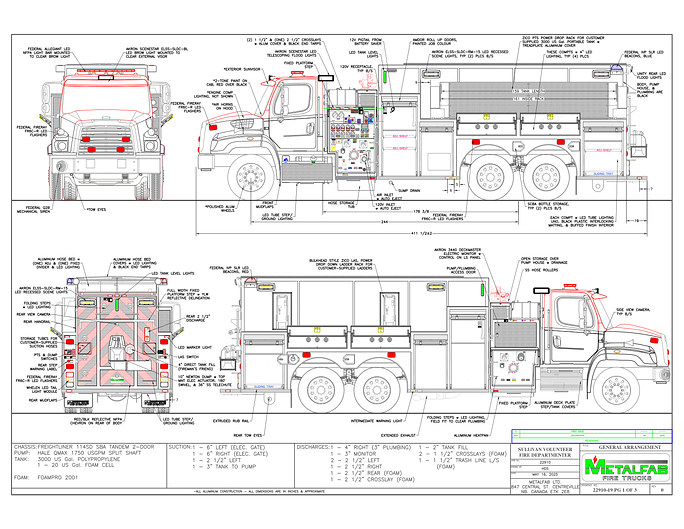
Hose, portable tanks, ladders, hand tools, SCBA, rescue equipment, medical supplies, generators, lighting, and other equipment all require dedicated space.
Rather than simply adding compartments, departments should consider where equipment is located and how firefighters will access it on scene.
Frequently used equipment should be easy to reach. Heavy equipment should be positioned with firefighter ergonomics in mind. Related equipment can also be grouped together based on how it is used during a response.
Good compartment planning can make a significant difference when a smaller crew is working under pressure.
Think Beyond Today’s Calls
A new fire truck can remain in service for many years. The department it serves may change significantly during that time.
Population growth, new development, changing industries, additional equipment, evolving mutual-aid responsibilities, and new types of emergency response can all affect future apparatus needs.
Departments should therefore consider not only what they carry today, but what they may need five, ten, or even fifteen years from now.
Leaving flexibility in storage, mounting systems, electrical capacity, and equipment layouts can make it easier for the apparatus to evolve alongside the department.
Build Around Your Department
There is no single configuration that works for every rural fire department.
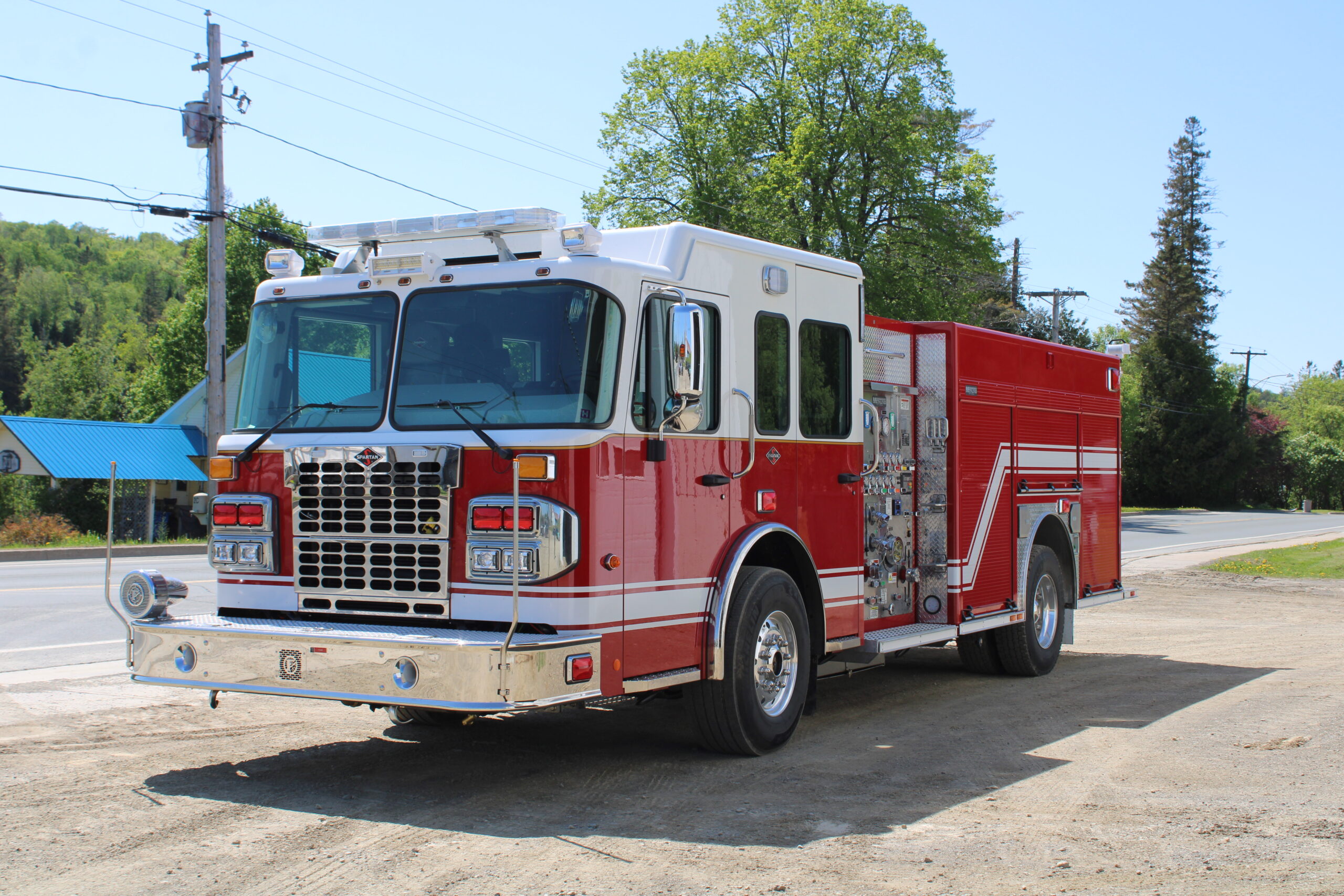
One community may need significant water-carrying capacity. Another may prioritize four-wheel-drive capability. Another may need an apparatus that combines suppression, rescue, and equipment transport into one versatile truck.
That is why the planning process matters.
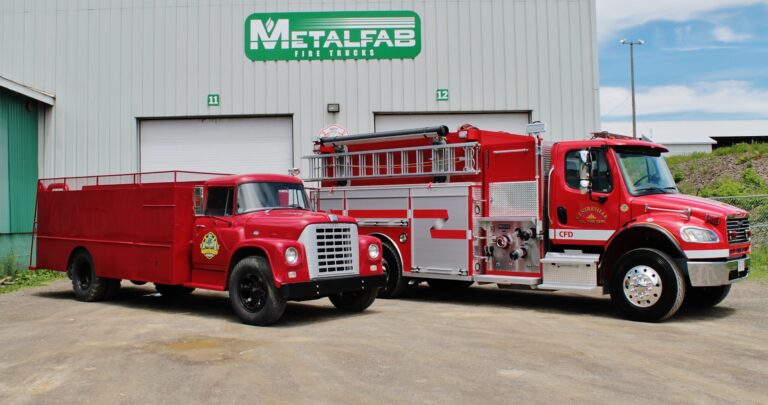
At Metalfab Fire Trucks, we work directly with departments to understand their response area, crew, equipment, and long-term operational goals before developing an apparatus solution.
Planning your department’s next fire truck? Talk with the Metalfab team about an apparatus designed around the realities of your response area.