No two fire departments operate exactly the same way.
Response areas, staffing levels, equipment requirements, road conditions, and call types vary significantly from one department to the next. That is why a one-size-fits-all approach to apparatus design often creates compromises that affect efficiency, safety, and long-term performance.
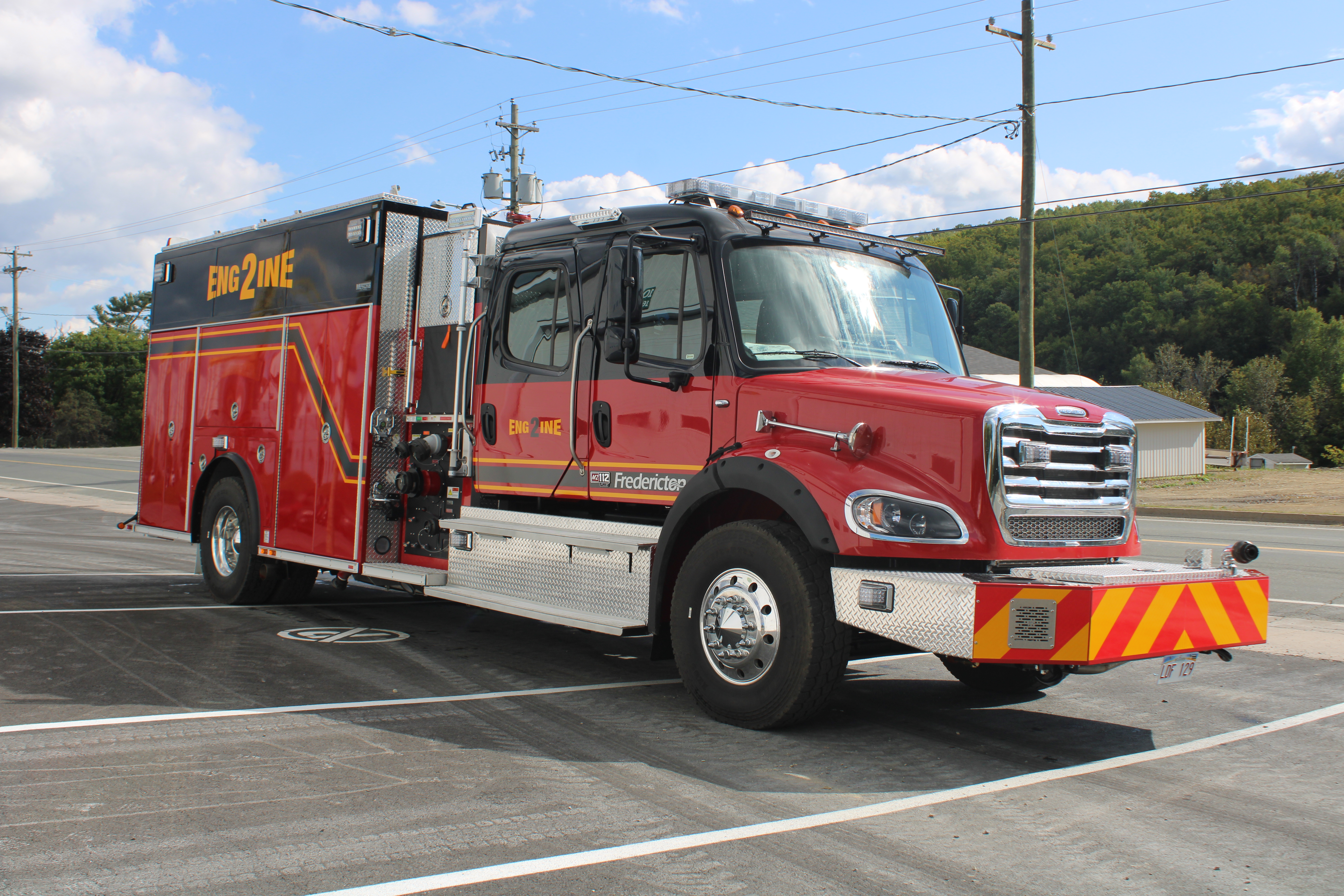
A custom fire truck allows departments to build around the realities of their operation rather than adapting their operation to fit the truck.
Every Department Has Unique Operational Demands
A rural department may prioritize water capacity, drafting capability, and storage for extended incidents.
A department serving urban or suburban areas may focus on maneuverability, rapid equipment access, and crew deployment efficiency.
Some departments respond primarily to structure fires, while others handle a significant number of motor vehicle collisions, medical calls, wildland incidents, or mutual aid responses.
The apparatus should reflect those realities.
When departments take the time to evaluate how they actually respond, they often discover opportunities to improve apparatus design in ways that support daily operations.
Apparatus Layout Impacts Crew Efficiency
Every compartment, tool mount, and equipment location influences how crews perform on scene.
Poorly positioned equipment can slow deployment, increase physical strain, and create unnecessary movement during critical moments.
Thoughtful apparatus design helps crews:
- Access equipment faster
- Improve workflow on scene
- Reduce unnecessary lifting and reaching
- Improve equipment accountability
- Create a safer operating environment
Small design decisions often have a significant impact over the life of the truck.
Storage Needs Continue to Evolve
Fire departments carry more equipment today than ever before.
Rescue tools, medical equipment, specialized PPE, battery-powered tools, traffic control devices, and communications equipment all require space.
A custom apparatus allows departments to organize equipment based on operational priorities rather than forcing tools into generic compartment layouts.
Proper storage planning helps improve accessibility, reduce equipment damage, and simplify inspections.
Safety Starts With Design
Firefighter safety extends beyond emergency response.
The design of the apparatus itself plays an important role in reducing risk.
Departments should consider:
- Visibility from the cab
- Safe access and egress
- Ergonomic compartment design
- Equipment placement
- Weight distribution
- Crew seating configuration
A well-designed truck helps support safer operations both on the road and on scene.
Long-Term Value Comes From Getting It Right the First Time
A fire truck is one of the largest investments a department will make.
Many apparatus remain in service for twenty years or more, making early design decisions extremely important.
Taking time during the planning phase to evaluate current needs, future growth, and operational goals can help departments avoid costly modifications later.
The best apparatus are not simply built for today’s calls. They are designed to support the department for years to come.
Collaboration Leads to Better Outcomes
Successful apparatus projects are built on communication.
Departments that involve operators, officers, maintenance personnel, and leadership throughout the planning process often achieve better results because the design reflects input from the people who use the truck every day.
The goal is not simply to build a fire truck.
The goal is to build an apparatus that supports the mission of the department, improves operational efficiency, and helps firefighters serve their communities safely and effectively.
Final Thoughts
Customization is about more than selecting options or choosing compartment layouts. It is about creating an apparatus that fits the unique needs of the department, supports crew safety, and delivers reliable performance throughout its service life.
When a truck is designed around how a department actually operates, everyone benefits, from the firefighters using it to the communities they protect.