
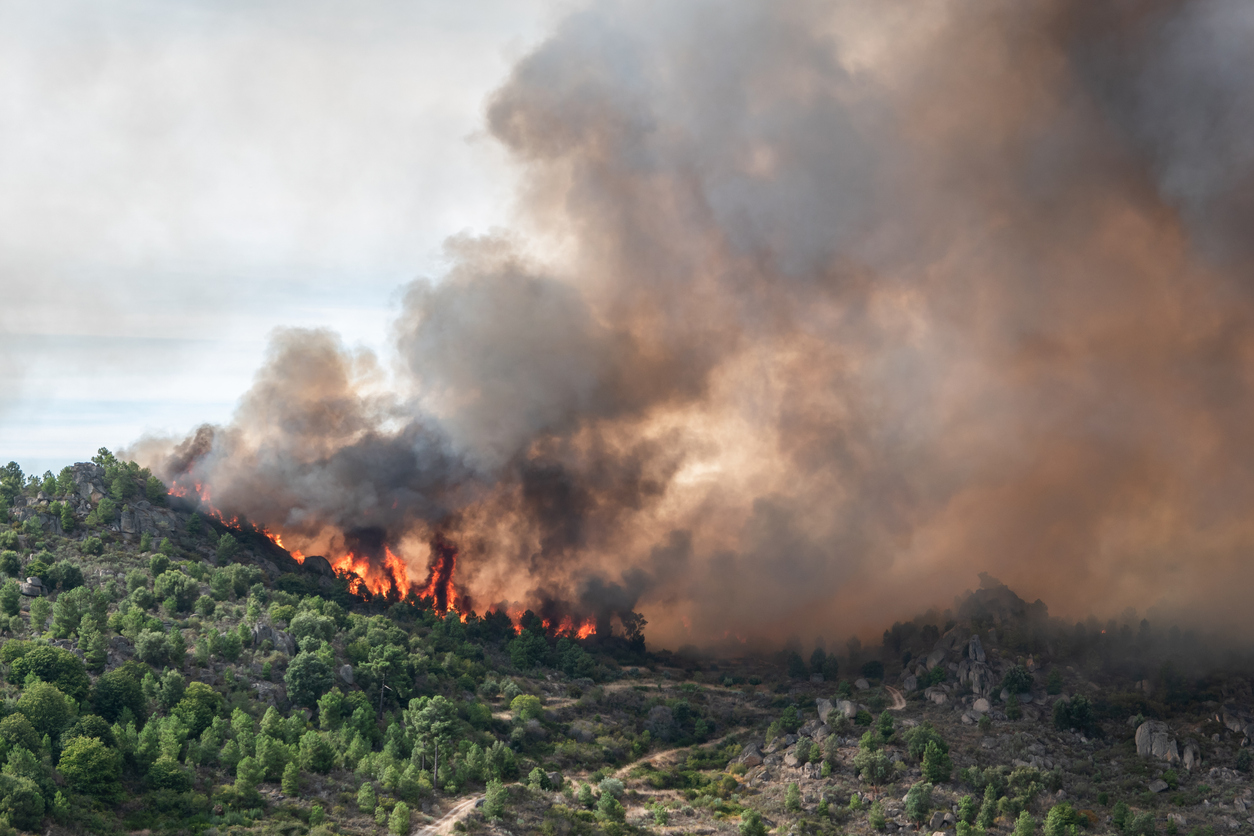
Summer brings longer days, community events, outdoor activities, and unfortunately, an increase in fire-related risks. From brush fires and recreational fires to increased road traffic and extreme heat, fire departments often experience a shift in call volume and response demands during the warmer months.
While every community faces unique challenges, preparation is key. Taking proactive steps before peak summer season can help departments improve readiness while encouraging residents to reduce preventable incidents.
Review Apparatus Readiness
Before summer activity ramps up, it is important to ensure apparatus are fully prepared for increased demand.
Departments should review:
- Pump and tank operations
- Hose condition and testing schedules
- Cooling systems and fluid levels
- Tire condition and air pressure
- Portable equipment and generators
- Emergency lighting and warning systems
Warmer temperatures place additional strain on apparatus and equipment. Addressing maintenance concerns early helps reduce the risk of unexpected downtime during busy response periods.
Prepare for Wildland and Grass Fire Response
Even departments that do not regularly respond to major wildland incidents can experience an increase in grass, brush, and roadside fires during dry conditions.
Consider reviewing:
- Water supply strategies
- Portable pump readiness
- Wildland PPE availability
- Communications procedures
- Mutual aid agreements
- High-risk areas within your response district
Pre-season planning allows crews to respond more efficiently when conditions change quickly.
Promote Safe Outdoor Burning Practices
Many summer fire calls are preventable.
Departments can help reduce incidents through public education related to:
- Campfires
- Burn permits
- Fire pit safety
- Proper disposal of smoking materials
- Safe use of fireworks where permitted
- Outdoor cooking and barbecue safety
Simple reminders shared through social media and community events can have a significant impact.
Stay Connected With the Community
Summer provides valuable opportunities for public engagement.
Community events, open houses, safety demonstrations, and school programs allow departments to strengthen relationships with residents while promoting fire prevention awareness.
These interactions also help build trust and support recruitment efforts for volunteer and paid-on-call departments.
Focus on Crew Health and Safety
High temperatures can affect firefighters just as much as apparatus.
Departments should reinforce:
- Hydration practices
- Heat stress awareness
- Rehabilitation procedures
- Appropriate work-rest cycles
- Cooling and recovery resources
Protecting firefighters during extended operations helps maintain safety and operational effectiveness throughout the season.
Review Emergency Response Plans
Summer often brings unique challenges, including festivals, sporting events, tourism traffic, and severe weather.
Now is a good time to review:
- Incident command procedures
- Staffing plans
- Mutual aid coordination
- Special event coverage
- Severe weather response plans
Preparation helps departments adapt more effectively when demand increases.
Summer Readiness Starts Before the Call
The busiest days of summer are not the time to discover maintenance issues, equipment shortages, or operational gaps.
Departments that invest time in apparatus inspections, crew preparation, community education, and seasonal planning are better positioned to respond safely and effectively throughout the summer months.
Strong preparation today helps create safer communities tomorrow.