
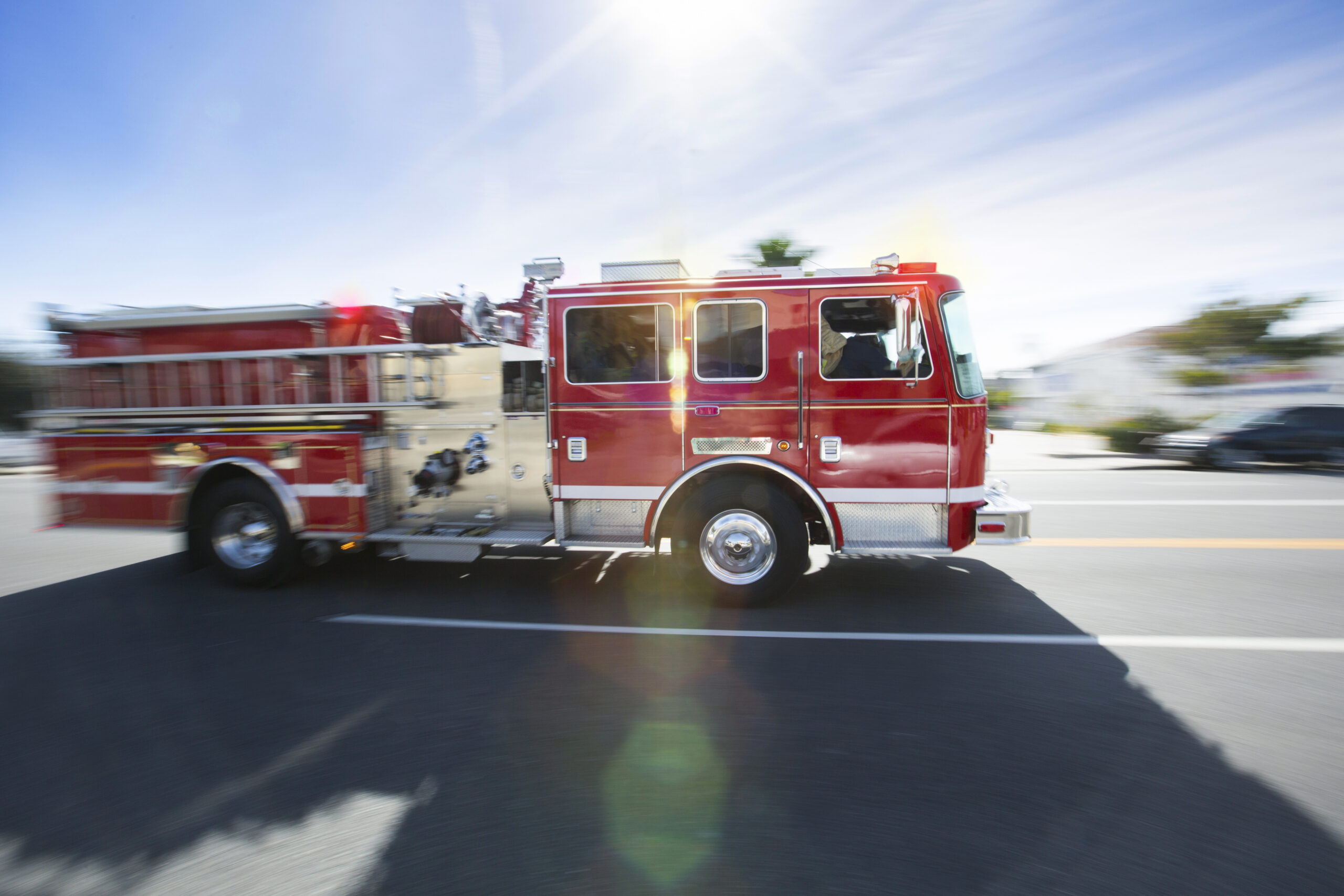
When a fire department starts the process of purchasing new fire apparatus, it typically starts with a Request for Proposal. This is commonly referred to as an RFP. This document outlines the department’s standards, expectations, and requirements so manufacturers and vendors clearly understand what is needed before submitting a bid.
A good RFP does more than just list technical requirements. It serves as a roadmap and proper guidance for the entire procurement process, helping departments identify the right equipment, stay within budget, meet regulatory obligations, and ensure long-term reliability and safety for their crews.
Taking the time to structure a thorough and well-written RFP can prevent costly misunderstandings, reduce delays, and lead to a smoother purchasing experience overall. Let’s dive into what you need to know.
Understanding The Need For An RFP
Fire apparatus are not standard commercial vehicles. They are highly specialized pieces of equipment designed to meet the unique operational demands of each department. From local terrain and climate to call volume, staffing, and response times, no two departments have identical needs.
A strong RFP is a must because it allows departments to clearly define these needs upfront. It communicates specific expectations to vendors while creating a standardized framework for evaluating proposals. This helps ensure every submission is reviewed fairly and consistently.
Beyond customization, fire apparatus must also meet strict safety standards, comply with regional and national regulations, and integrate seamlessly into existing operations. An RFP makes sure these factors are addressed early. This reduces the risk of costly changes later in the process.
Important Components Of A Fire Apparatus RFP
A comprehensive RFP should be structured in a way that is easy for vendors to follow and specific enough to eliminate guesswork. It should begin with an introduction that explains the objective, the type of apparatus being requested, and a brief overview of the department’s mission and service area.
Departments should also include any operational insights they have gained over time, such as areas for improvement, recurring challenges, or evolving needs.
Some of the most important elements to include are the following:
• Type of chassis, engine requirements, transmission type, and wheelbase length
• Pump capacity, tank size, hose configurations, and foam systems, if applicable
• For ladder trucks, specifications for ladder height, materials, and operational capabilities
• Storage layout for hoses, tools, and rescue equipment
• Emergency lighting systems, scene lighting, and onboard power supply requirements
The clearer and more detailed these sections are, the easier it is for vendors to provide accurate and comparable proposals.
Defining Performance Expectations
In addition to technical specifications, performance expectations should be clearly outlined. These criteria help ensure the apparatus performs reliably in real-world emergency conditions.
Performance requirements may include acceleration capabilities, braking distances, turning radius, stability on uneven terrain, and off-road performance if the department serves rural or difficult-to-access areas.
All fire apparatus must meet recognized industry standards. Vendors should be required to submit documentation and certifications proving compliance. This protects both the department and its personnel while maintaining accountability throughout the procurement process.
Selection And Evaluation Criteria
An effective RFP clearly explains how proposals will be evaluated. This ensures transparency and helps vendors understand what matters most to the department. Evaluation criteria often include adherence to technical specifications, the overall quality and functionality of the proposed apparatus, total cost and long-term value, vendor reputation and past performance, delivery timelines, warranty coverage and service availability, and compliance with safety and regulatory standards.
Price is important, but it should not be the sole determining factor. Fire apparatus is a long-term investment, and choosing based only on the lowest bid can sometimes lead to higher maintenance costs or reduced reliability over time. By clearly defining these criteria in advance, departments can make more objective and confident decisions.
Financial Considerations And Post-Purchase Support
Fire apparatus is a major investment, but one that needs to be made. This also means financial planning is a key part of the RFP process. Departments should outline minimum warranty requirements for major components such as the chassis, pump, electrical systems, and body construction. Service and support expectations should also be addressed, including access to replacement parts, training, maintenance programs, and ongoing technical support.
For instance, when we are chosen as the vendor, we help departments acquire the equipment they need without unnecessary financial strain. Once a proposal is finalized, all documentation, certifications, and warranty details are submitted for review. After the purchase order is issued, payment options are finalized, and we remain available throughout every stage to ensure clarity and confidence.
Common Challenges In Fire Apparatus Procurement
While RFPs are designed to streamline the procurement process, challenges still arise. One of the most common issues is balancing cost with quality. Budget limitations are a reality for many departments, so know that you are not alone. However, selecting the lowest bid can sometimes result in equipment that does not fully meet operational demands.
To avoid this, RFPs should emphasize long-term value rather than upfront cost alone. Durability, serviceability, and reliability should all be factored into the final decision.
Another frequent challenge is ensuring vendors fully understand the department’s specific needs. Miscommunication can result in delays, unexpected costs, or equipment that does not perform as expected.
Including pre-bid meetings, site visits, or clarification periods can help align expectations. Long-term partnerships with trusted manufacturers also reduce the likelihood of misunderstandings. At Metalfab, we are proud to have built strong relationships with communities and fire departments, allowing us to better anticipate and meet their needs.
Building A Stronger And Safer Fleet
A proper RFP will give you the foundation for a successful procurement process. By providing clear specifications, defined performance standards, and transparent evaluation criteria, fire departments can ensure proposals align with their operational goals.
Investing time in the RFP stage leads to better outcomes, improved safety, and more reliable equipment for years to come. It also fosters stronger partnerships with manufacturers who understand your priorities.
We look forward to working with you and supporting your department throughout this process. Our team is always available to answer questions, provide guidance, and help you find the right apparatus for your needs. You can reach us anytime at 1-800-561-0012.