
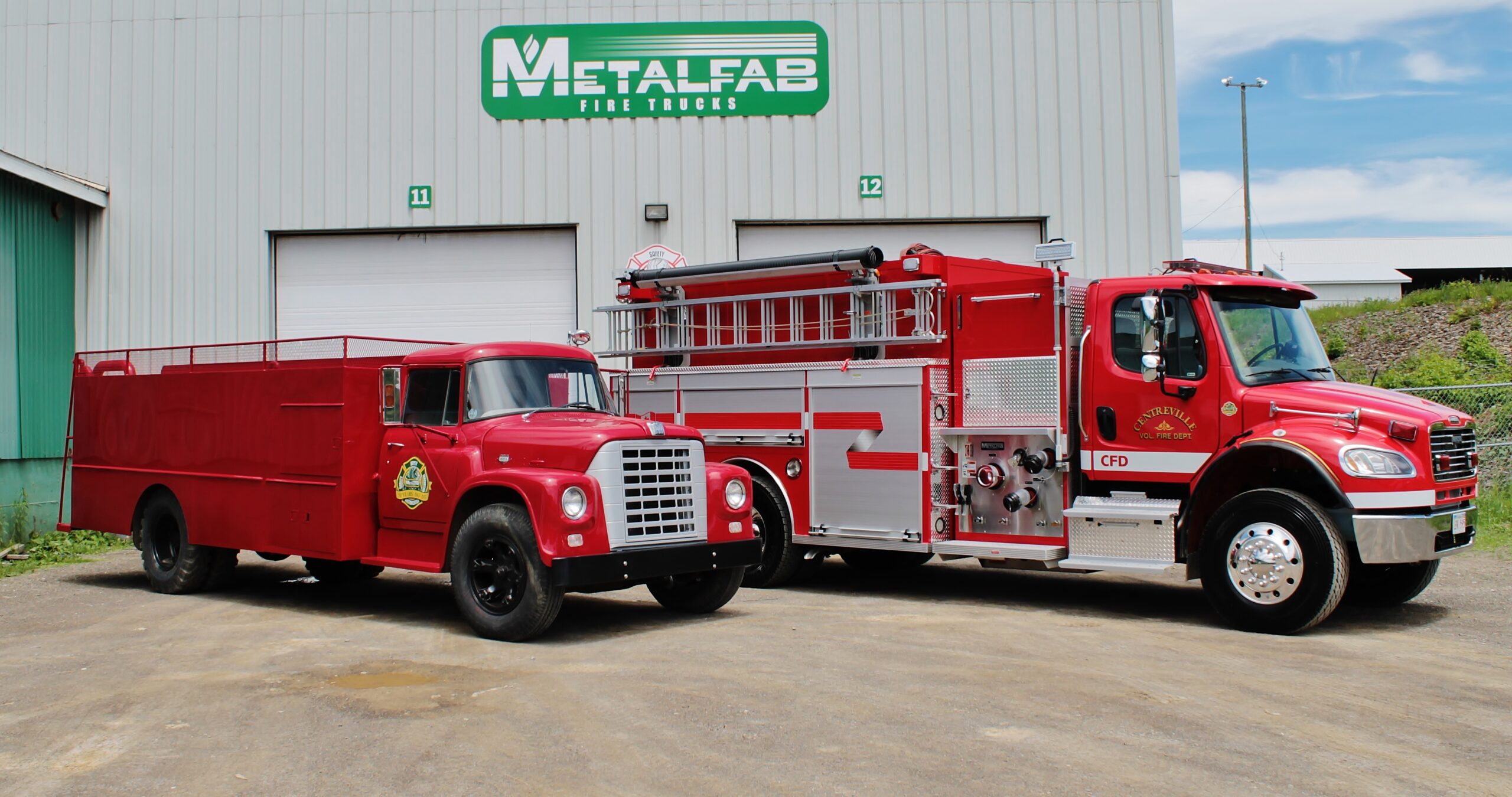
When your department begins planning a new rescue apparatus, one of the first major decisions is the body configuration. The two most common options are walk-in rescue units and walk-around rescue units.
Both are effective platforms. The difference is not about which one is better overall. It is about which one better supports how your crew operates on scene.
The right configuration influences accessibility, storage, crew safety, workflow, and long-term performance. Understanding the practical differences early in the process will help you specify a rescue unit that truly supports your mission. In this article, we share everything you need to know.
What Defines Walk-In and Walk-Around Rescue Units?
Before comparing the two, it is important to clearly define each configuration.
- A walk-in rescue unit features a large rear body compartment that the crew can physically enter while standing upright. The interior space functions as a working area where tools can be accessed and staged from inside the apparatus.
- A walk-around rescue unit uses traditional exterior side compartments. Equipment is accessed from outside the vehicle using shelves, trays, and compartment systems located along both sides of the body.
Each configuration supports different operational priorities. The key is understanding how those differences affect daily use.
Accessibility and Workflow
As you know, rescue scenes are dynamic. Equipment is often needed in sequence, and layout can directly affect efficiency.
Walk-In Rescue Units
The defining feature of a walk-in unit is the ability to step inside the rear body and access tools from within the apparatus.
This interior space can significantly improve workflow during complex or extended incidents.
- The interior work area allows the crew to stage and organize tools while protected from weather and traffic.
- Equipment can be arranged in centralized tool walls or organized workbench layouts for logical access.
- The configuration works especially well for departments performing technical rescue, heavy extrication, or long-duration operations.
There are practical considerations that must be planned carefully.
- Body width and height must be specified to allow safe and ergonomic movement inside the apparatus.
- Adequate lighting and interior organization systems are essential to make the space functional.
Walk-Around Rescue Units
Walk-around units prioritize exterior accessibility. Crews retrieve equipment directly from side compartments.
This configuration supports fast deployment when tools are needed quickly.
- Frequently used tools can be positioned in easily accessible exterior compartments.
- Traditional shelving and pull-out tray systems make compartment design straightforward and familiar.
- The overall body may carry less structural weight depending on configuration.
There are also important considerations with this design.
- The crew needs to stand outside the apparatus when accessing equipment, which increases exposure to weather and traffic.
- Compartment planning must be thoughtful to reduce excessive reaching, bending, or repositioning.
Equipment Storage and Organization
Rescue apparatus design is typically driven by the size and complexity of your equipment inventory.
Walk-In Rescue Units
Walk-in units are well-suited for departments carrying larger or more specialized rescue inventories.
This means:
- Large quantities of rescue equipment can be organized centrally for better visibility and coordination.
- Long tools such as struts, cribbing, and rope bags are easier to store vertically or along interior walls.
- Complex rescue systems can be grouped together in designated zones to streamline deployment.
Interior layouts can also incorporate slide-out racks, vertical mounting systems, and built-in staging surfaces to reduce clutter and improve efficiency.
Walk-Around Rescue Units
Walk-around units are effective when equipment is modular and speed of access is critical.
This means:
- Shorter tools can be stored efficiently within adjustable exterior shelving systems.
- Frequently used equipment can be placed in shallow compartments for rapid deployment.
- Exterior access allows crews to retrieve tools without entering an enclosed body.
In this configuration, departments should carefully plan which tools are needed first on scene and position them accordingly.
Scene Safety and Crew Exposure
Apparatus configuration influences how much time your department and crew spend exposed during an incident.
- Walk-in units allow crew members to stage and prepare tools inside the apparatus. This reduces exposure to traffic and harsh weather conditions.
- Walk-around units require personnel to access equipment from outside compartments. Proper lighting and reflective markings improve visibility, but crews remain in the open while retrieving tools.
Departments operating in high-traffic environments or extreme weather conditions should carefully weigh the importance of interior protection for their crew.
Weight and Performance Considerations
Every design decision affects vehicle weight and performance.
- Walk-in units often include additional interior fixtures such as cabinets, mounting systems, and work surfaces. These features increase overall body weight and require careful chassis planning.
- Walk-around units may be lighter overall, but weight distribution still requires careful attention to prevent imbalance or uneven loading.
Vehicle weight affects acceleration, braking distance, handling, and long-term durability. These performance factors directly influence operational safety.
Cost and Long-Term Value
Initial cost is always part of the discussion, but long-term value should carry equal weight.
- Walk-in rescue units typically involve a higher upfront investment due to interior build-out, lighting systems, and organizational components.
- Walk-around rescue units may have lower initial costs. However, insufficient layout planning can lead to operational inefficiencies or modifications later in the apparatus’s life cycle.
Selecting the right configuration from the beginning helps prevent costly retrofits and ensures the apparatus remains functional throughout its service life.
Matching Design With Department Needs
Before finalizing specifications, departments should evaluate their operational priorities carefully.
- The call profile should be reviewed to determine whether the majority of incidents involve technical rescue, motor vehicle accidents, confined space, medical response, or other specialized operations.
- Tool inventory should be assessed to understand equipment size, quantity, and staging requirements.
- Crew size and workflow should be analyzed to determine whether multiple personnel need simultaneous access or whether interior staging provides a meaningful advantage.
- Response environments should be considered, including traffic patterns, weather conditions, and geographic factors.
Answering these questions early in the process ensures the apparatus design supports real-world operations rather than theoretical preferences.
Important Takeaways
There is no universal answer when it comes to the walk-in versus walk-around question.
Walk-in rescue units provide interior access and protected staging space that benefits complex or extended operations.
Walk-around rescue units offer rapid exterior access and traditional compartment organization that supports speed and familiarity.
The right choice depends on how your department operates, what equipment you carry, and how your crew performs on scene. Early collaboration with your manufacturer and detailed discussion about workflow, equipment placement, and daily routines will result in a rescue apparatus that enhances safety, efficiency, and long-term value.
We take pride in making this process as seamless as possible, and the relationships we’ve built with countless fire departments over the years. Contact us at 1-800-561-0012 if you have any questions.