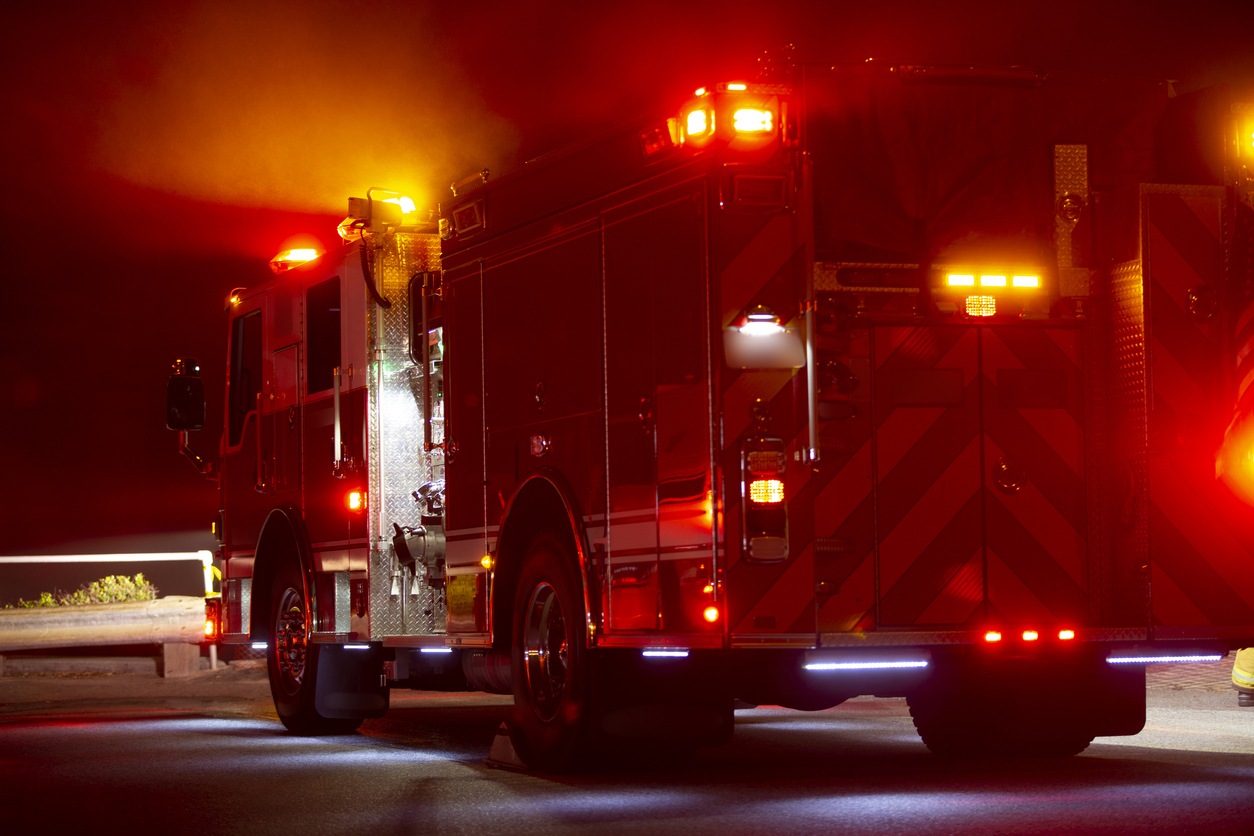
A fire truck is one of the longest-serving and most important investments a department will make. With proper maintenance, a well-built apparatus can remain in service for many years.
Eventually, however, every apparatus reaches a point where replacement needs to become part of the conversation. The challenge is recognizing that point early enough to plan properly rather than waiting for a major failure, extended downtime or an emergency purchase.
There is no single age that automatically means a fire truck needs to be replaced. Apparatus condition, call volume, maintenance history, environment, changing operational needs and available parts can all affect the decision.
Looking at the truck as a whole can help departments identify when continued investment in an older apparatus may no longer be the best long-term approach.
1. Repairs Are Becoming More Frequent
An occasional repair is expected with any working apparatus. The concern begins when repairs become increasingly frequent, expensive or difficult to predict.
Departments should look beyond the cost of an individual repair and consider the pattern. Is the truck returning to the shop more often? Are different systems beginning to require attention at the same time? Is maintenance becoming reactive rather than planned?
A rising repair burden can be an early sign that an apparatus is moving into a different stage of its service life.
Tracking repair history and downtime over several years can give decision-makers a clearer picture than looking at the latest invoice alone.
2. Downtime Is Affecting Readiness
A truck that is regularly unavailable can create operational challenges even if it can still be repaired.
When a primary apparatus is out of service, departments may need to rely on reserve units, mutual aid or temporary changes to response plans. For smaller departments, the impact can be even greater because there may be fewer backup options available.
The question is not simply whether the apparatus can be repaired. It is whether it can continue to provide the level of reliability the department requires.
When downtime begins affecting response readiness, replacement planning deserves serious attention.
3. Parts Are Becoming Difficult to Source
As an apparatus ages, some components may become harder to find.
Chassis parts, electrical components, controls, lighting systems, pump components and other equipment can change significantly over the life of a truck.
Longer waits for replacement parts can turn a manageable repair into extended downtime. In some cases, departments may also need to find alternative components or make modifications because an original part is no longer available.
Departments with older apparatus should talk with their service providers about parts availability before it becomes an emergency. If critical components are increasingly difficult to source, that information should be part of the replacement discussion.
4. Corrosion and Structural Wear Are Increasing
Fire apparatus operate in demanding conditions.
Moisture, road salt, temperature changes, rough roads, heavy equipment and years of emergency response all place stress on a vehicle.
Routine inspections can help identify corrosion, body deterioration, mounting issues, worn steps and walking surfaces, compartment damage and other structural concerns.
Some issues can be repaired, but widespread deterioration may indicate that the department is investing more resources into keeping an aging platform operational.
Condition should always be evaluated carefully by qualified professionals. A truck’s appearance alone does not tell the full story.
5. The Apparatus No Longer Fits the Department
Sometimes a fire truck becomes outdated operationally before it becomes mechanically unreliable.
A department may carry more equipment than it did when the truck was purchased. Staffing may have changed. Call types may be different. The community may have grown, road conditions may have changed or the department may now provide services that were not part of its original mandate.
These changes can result in crowded compartments, inefficient equipment placement, limited water capacity, difficult access or a truck that simply does not support the way the crew operates today.
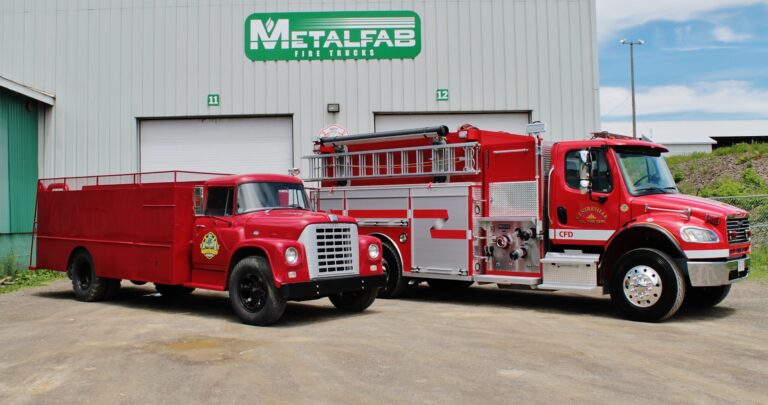
That does not necessarily mean the original apparatus was poorly designed. A truck built 15 or 20 years ago was designed for the department that existed at that time.
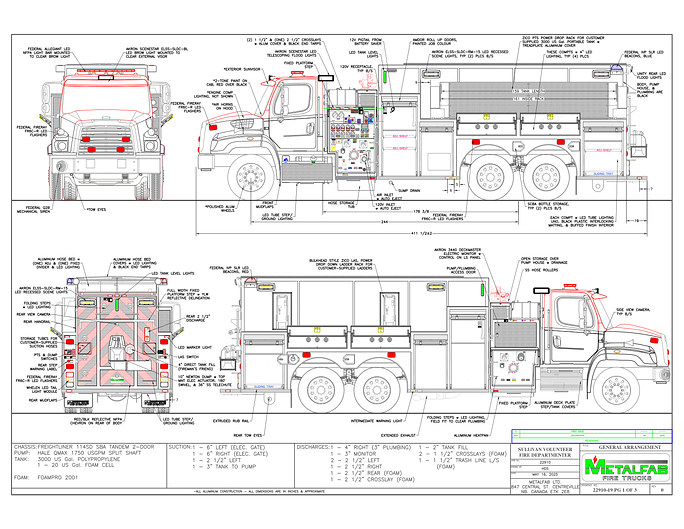
Replacement creates an opportunity to design around today’s needs while considering what may change in the years ahead.
6. Safety and Technology Expectations Have Changed
Fire apparatus design continues to evolve.
Improvements in lighting, visibility, equipment access, ergonomics, electrical systems, pump controls, storage and other areas can change how crews interact with their apparatus.
New technology alone is not a reason to replace a dependable truck. However, when an aging apparatus already presents maintenance or operational challenges, newer safety and usability features can become another important factor in the replacement decision.
The goal is not to add technology simply because it is available. It is to determine which features can meaningfully support the department’s firefighters and response requirements.
7. The Department Is Spending More to Preserve Less Capability
Repairing an older apparatus can make sense when the truck remains reliable and continues to meet operational needs.
At some point, however, departments may find themselves spending more each year while still dealing with reduced availability, outdated layouts or limited capability.
That is when it can be useful to compare the cost of continuing to operate the existing apparatus with the long-term value of replacement.
The analysis should include more than the purchase price of a new truck. Consider maintenance costs, downtime, reserve apparatus requirements, parts availability, expected future repairs and whether the current truck can still perform the jobs the department needs it to perform.
Do Not Wait for the Truck to Fail
One of the most important parts of apparatus replacement is timing.
A department that begins planning while its current truck is still dependable has more room to evaluate needs, develop a budget, involve firefighters, prepare specifications and work through the purchasing process.
Waiting until an apparatus becomes unreliable can put the department in a much more difficult position. Decisions may need to be made quickly, funding options may be limited and the department may have less flexibility in choosing the apparatus that best fits its needs.
Replacement planning can begin years before a truck is actually retired. A long-term fleet plan helps departments anticipate upcoming purchases and gives municipal leaders, boards and communities time to prepare for the investment.
Start With an Honest Assessment
If an apparatus is approaching the later years of its service life, begin by looking at how it is actually performing.
Review maintenance records. Talk with the firefighters who operate it. Look at downtime, recurring repairs, equipment capacity, accessibility, water and pump requirements, staffing, response area and the types of calls the department handles.
Then consider what the department expects to need over the next 15 to 20 years.
That information creates a much stronger starting point for a replacement apparatus than simply recreating the truck currently sitting in the station.
Planning Your Next Apparatus
Replacing a fire truck is a major decision, but it does not need to begin with a completed specification.
Metalfab works with fire departments to understand their response requirements, equipment, staffing, community and long-term goals before the final apparatus design takes shape.
Starting the conversation early gives departments more time to explore options and build a truck around how their crews actually operate.
Is one of your apparatus approaching the end of its service life? Talk with the Metalfab team about planning its replacement before reliability becomes an issue.